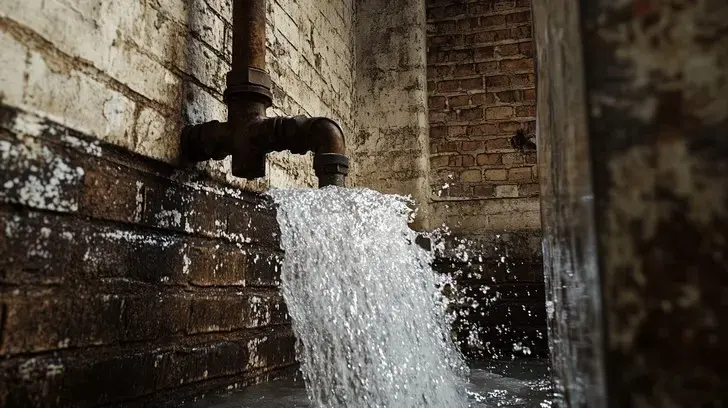
Extraction is the cheapest part of a water loss and the part that saves the most. Water that sits on a floor keeps moving: into carpet pad, under baseboards, up the bottom of drywall and down into the subfloor or the crawl space below. Removing it as liquid takes minutes per room. Removing the same water as vapor with dehumidifiers takes days.
How the extraction crew pulls water out of a Matthews home
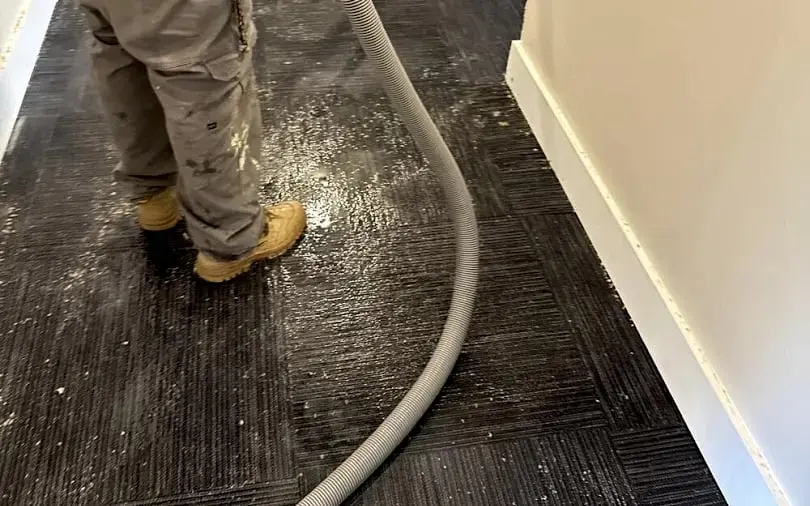
A truck-mounted extraction unit stays outside and runs hose into the house, so the water leaves the building instead of being carried room to room in buckets. The crew works from the wettest area outward and makes slow, overlapping passes.
- Carpet and pad: weighted or stand-on extraction tools press water out of the pad, which often lets the carpet be dried in place after a clean water loss.
- Hard floors: squeegee wands and floor tools lift water from tile, vinyl plank and sealed wood before it reaches the seams.
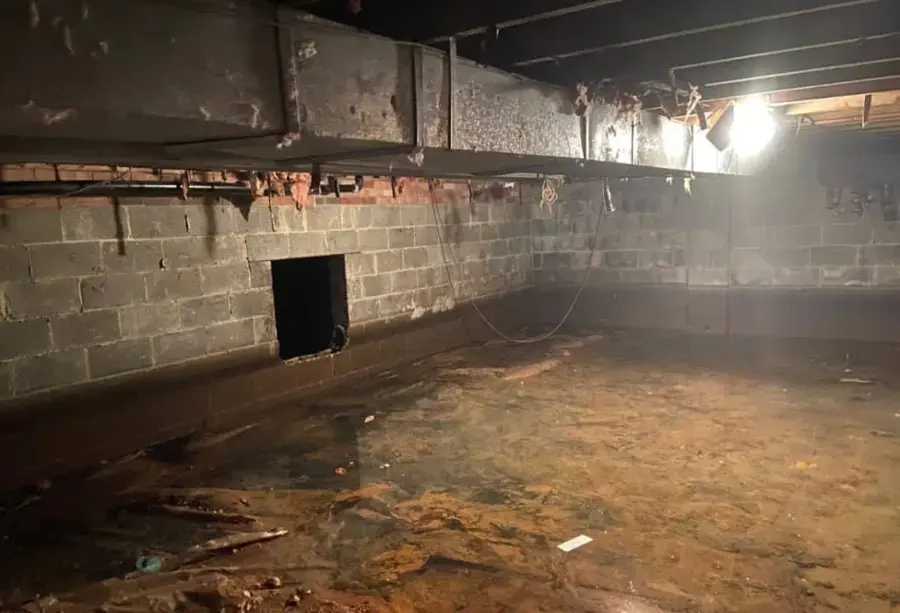
- Crawl spaces: portable pumps and wet vacuums clear water ponded on the vapor barrier or the red clay under the house.
Why extraction decides how long drying takes
The IICRC S500 standard treats extraction as the step that sets up everything after it. A room that is extracted thoroughly usually needs fewer air movers and fewer days of dehumidification. Before and after extraction, the tech who does the walkthrough takes readings with pinless meters and thermal imaging, so wet spots behind walls and under cabinets are mapped instead of guessed.
What happens right after the water is out
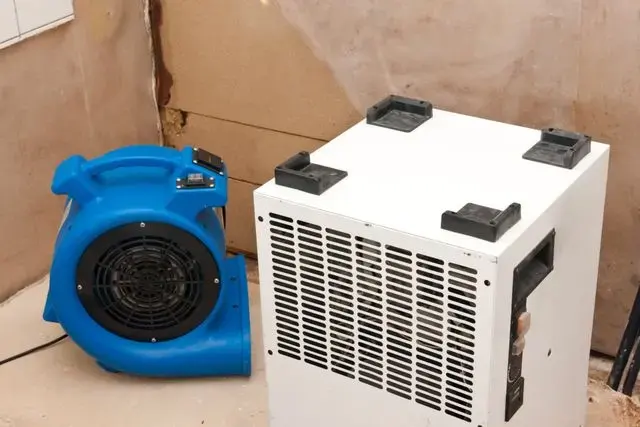
Air movers go down at the evaporation load each room needs and LGR dehumidifiers pull that moisture back out of the air. The drying team records readings daily and pulls equipment only when wet materials reach the drying goal. The structural drying page covers that phase in detail, and the EPA WaterSense program and Ready.gov flood page cover leak prevention and flood safety.