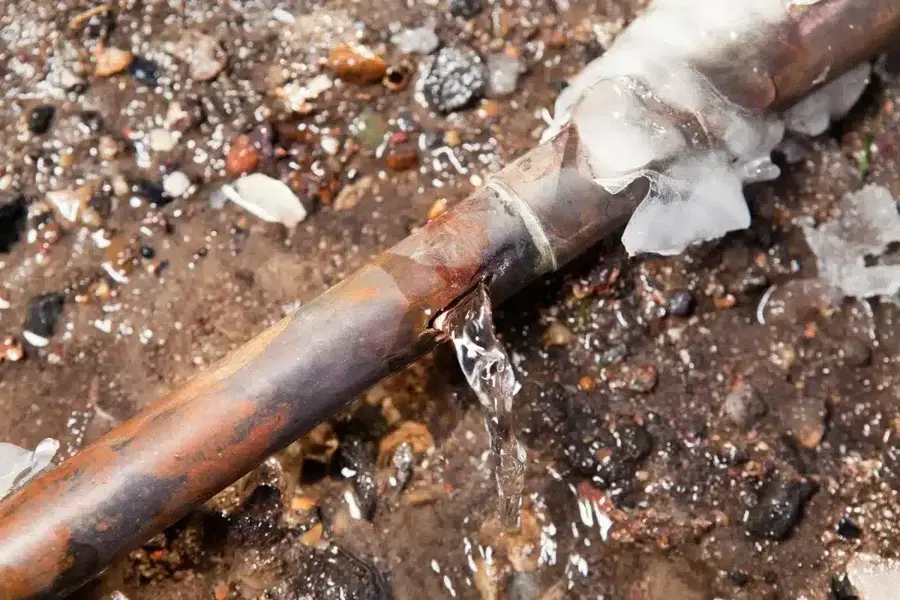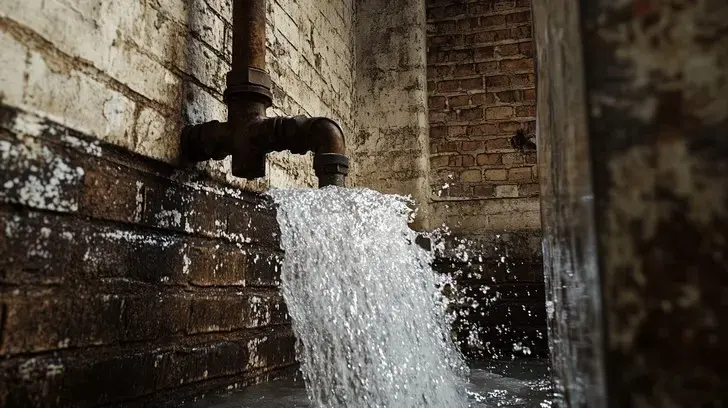
Burst pipes in Matthews are rarely dramatic ruptures in the middle of a room. More often a fitting lets go behind a wall, a supply line under a sink cracks, or a pinhole in an old copper or polybutylene line sprays inside a cavity for days. Homes built from the late 1970s into the mid 1990s are the most likely to carry polybutylene supply lines, which fail at joints and fittings as they age.
Finding every place the water went
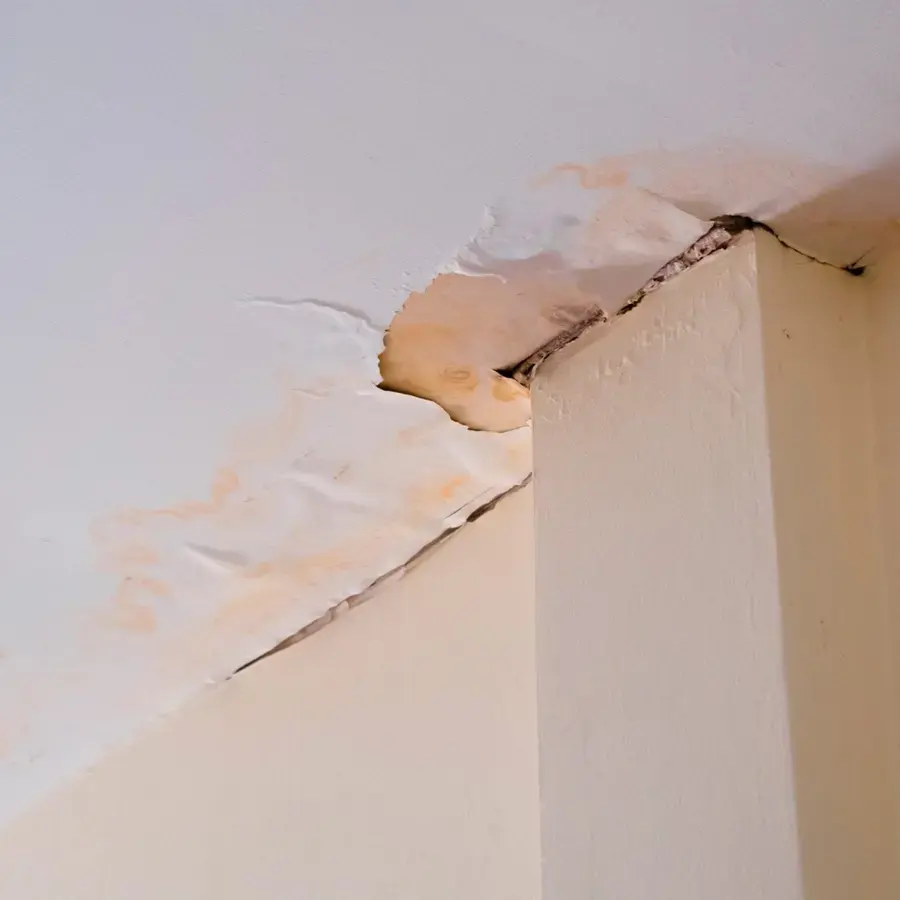
Water from a burst pipe follows gravity and wicks sideways. The tech who does the walkthrough uses thermal imaging and pinless meters along walls, under cabinets and across the ceiling below, then checks the crawl space. That moisture map decides what gets opened. A wall that reads wet in its bottom foot does not need to be replaced floor to ceiling.
- Small drill holes behind baseboards let the drying team push air into a wet cavity without removing the drywall.
- Insulation that soaked through is removed, because wet fiberglass holds water against the framing.
- Cabinet toe kicks come off so air can reach the floor under them.
Clean water now, a different problem later
Water from a supply pipe starts as Category 1, clean water. If it sits for a couple of days, soaks through dirty materials or drains into the crawl space, it can degrade to Category 2. That is why speed matters: clean water dried quickly usually means drywall and cabinets can stay.
Drying and documentation
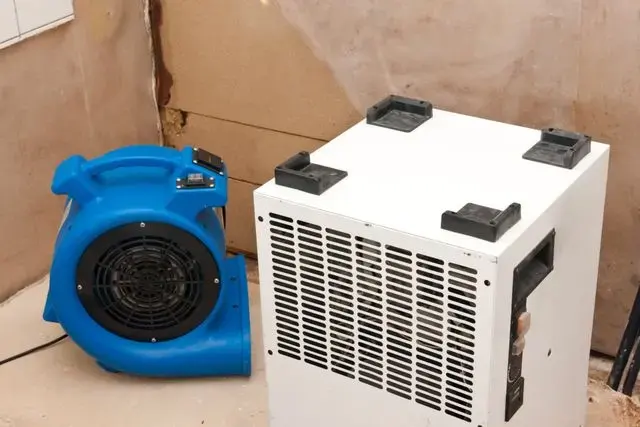
Air movers, LGR dehumidifiers and, for walls, cavity drying systems run until every wet area reads within the drying goal. Daily readings go into a log with photos taken before any demolition, which is the file an adjuster reads. The structural drying page explains the goal, and the North Carolina Department of Insurance has consumer help for homeowners claims.