Drying to the standard

Structural Drying in Matthews, NC

Surface drying makes a room look dry. Structural drying makes the framing, subfloor and wall cavities dry, and proves it with readings. The drying team sets equipment to each room's load and leaves only when the wet materials match a dry reference.

(888) 578-4720Walls still wet? Call the Matthews drying team
IICRC S500 drying standard Moisture logged daily 24/7 dispatch
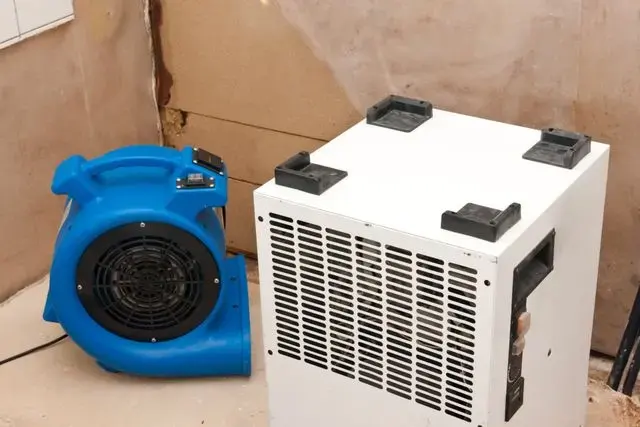
Air mover and dehumidifier set against a wet wall during structural drying
Structural Drying: at a glance
StandardIICRC S500
EquipmentLGR, desiccant, air movers
Measured byPinless and pin meters
Done whenWithin 2 to 4 points of dry
Typical cost ranges

What does structural drying cost in Matthews, NC?

In Matthews, NC, structural drying typically runs $1,000 to $6,000, depending on the class of the loss, how many rooms and levels are wet, whether the crawl space needs its own setup and how many days of equipment the readings call for.

One or two rooms$1,000 to $2,200
  • Air movers and one LGR
  • Three to five days
  • Daily logs
Several rooms or cavities$2,200 to $4,200
  • Cavity drying
  • Multiple dehumidifiers
  • Moisture map updates
Class 4 or crawl space$4,200 to $6,000+
  • Desiccant or specialty drying
  • Hardwood or plaster
  • Extended days

For a closer planning number, run the water damage cost calculator. The drivers are the water category, the square footage, the material class and how fast drying started.

First steps right now

What to do right now about structural drying

  1. Leave the equipment on. Do not switch off or move air movers or dehumidifiers.
  2. Keep doors as set. Rooms are closed or open for a reason.
  3. Keep windows shut. Humid outside air slows drying.
  4. Note any smells. A musty smell during drying is worth mentioning.
  5. Call with questions. The drying team adjusts equipment as readings change.
The route of the work

How structural drying is handled in Matthews, NC

  1. 01

    Take the reference

    The tech who does the walkthrough reads a dry reference and maps the wet area.

  2. 02

    Set equipment

    The drying team places air movers and dehumidifiers to each room's load.

  3. 03

    Log daily

    Readings, temperature and humidity go into the drying log every day.

  4. 04

    Verify and pull

    Equipment comes out when wet materials meet the drying goal.

Structural drying is the part of a water loss that decides whether problems show up later. Drywall can feel dry to the touch while the bottom plate behind it, the subfloor under the carpet or the joists over a crawl space are still wet. Wet framing in a humid Piedmont summer is how mold, warped floors and musty rooms start.

How the drying team sets up a room

  • Class decides equipment: Class 1 through 4 under the IICRC S500 standard sets how much water is in the materials and how many air movers and dehumidifiers the room needs.
  • Air movers: placed to move air across wet surfaces at the evaporation load the room calls for.
  • LGR dehumidifiers: low grain refrigerant units pull the evaporated water back out of the air.
  • Desiccants: for Class 4 materials like hardwood, plaster and masonry, and for cold weather when refrigerant units slow down.
  • Cavity drying: small holes and injection systems push air into wet walls without tearing them out.

Readings decide when it is dry

Before equipment goes down, the tech who does the walkthrough takes a reading on a dry reference material in an unaffected part of the same house. Every day, wet materials are read against that reference and the numbers go into a drying log with temperature and humidity readings. Equipment comes out when the wet materials are within 2 to 4 points of the dry reference, not on a fixed date.

Typical timelines: a contained Class 1 or 2 loss usually dries in three to five days. Hardwood, plaster, thick framing and wet crawl spaces take longer. Humid summer weather and cold snaps both slow drying, which is why equipment is adjusted as readings change.

Why the log matters

The drying log is the proof an insurance adjuster reads: what was wet, what equipment ran, the daily readings and the date the goal was met. For crawl space drying specifically, see crawl space water damage. The EPA indoor air quality pages explain why controlling moisture indoors matters, and the Occupational Safety and Health Administration covers worker safety around cleanup.
Service questions

Structural Drying questions in Matthews, NC

What is structural drying?

Drying the structure itself, meaning framing, subfloor, wall cavities and insulation, not just surfaces, and verifying it with moisture readings against a dry reference.

How long does structural drying take?

A contained Class 1 or 2 loss usually dries in three to five days. Class 3 and 4 losses, hardwood, plaster and crawl spaces take longer.

Why is the equipment so loud and running all day?

Air movers and dehumidifiers work around the clock because evaporation stops when they stop. Turning them off or moving them slows drying.

Can I open windows to help?

Usually not. In humid Carolina weather, outside air adds moisture. The drying team decides whether windows stay closed.

What does dry actually mean?

Wet materials read within 2 to 4 points of the same material in an unaffected part of the house, under the IICRC S500 approach.

Does drying include the crawl space?

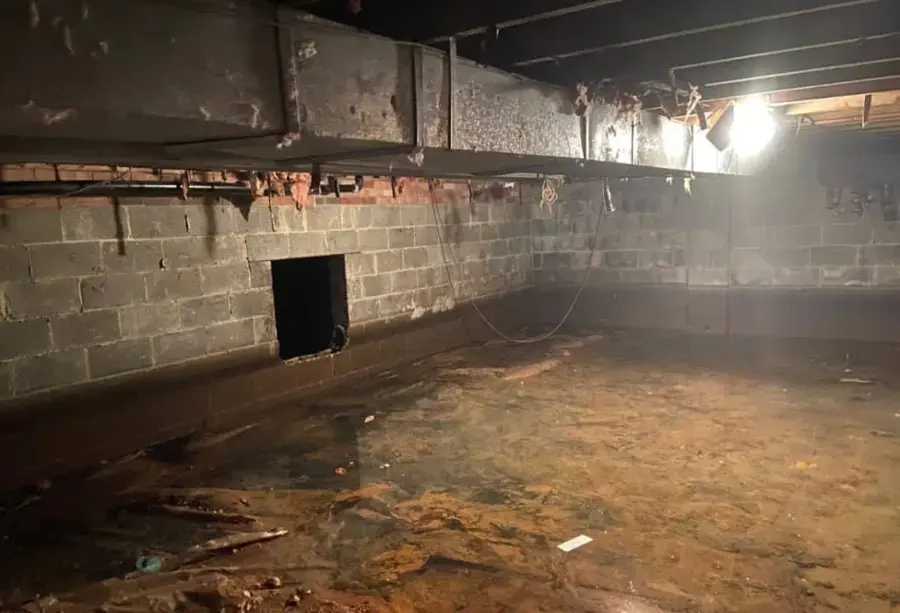
Yes, whenever water reached it. Joists and subfloor are dried from below with dehumidifiers and air movers.

Matthews, NC and nearby Mecklenburg County and Union County areas
Service area

Structural drying across Matthews and nearby towns

The Matthews restoration crew covers the whole town, from the downtown depot blocks and Crestdale to the Four Mile Creek neighborhoods and the Sardis Road side, plus Mint Hill, Stallings, Indian Trail, Weddington and Wesley Chapel.

ZIP codes 28105 and 28104 sit at the center of the coverage, with 24/7 dispatch on every call.

See every area and ZIP covered
Last stop: the dry-out

Structural Drying in Matthews? Call before it spreads.

The Matthews restoration crew extracts, dries to the IICRC S500 goal and documents the loss for your insurance claim, day or night.

(888) 578-4720Get structural drying help moving in Matthews

Matthews NC Water Damage Restoration · Matthews, NC · open 24 hours, every day

Find us on Google
Water spreading? Call (888) 578-4720