Crawl space water is the most common water loss under Matthews homes and the easiest one to miss. Nobody walks through a crawl space, so a broken line or a pool of storm runoff can sit for days. The first signs are usually upstairs: a musty smell, a soft spot in the floor, cupping in hardwood or a heat pump that runs longer than it should.
Why water collects under houses in Matthews
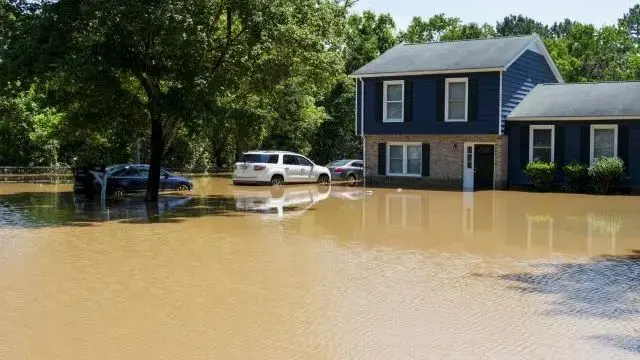
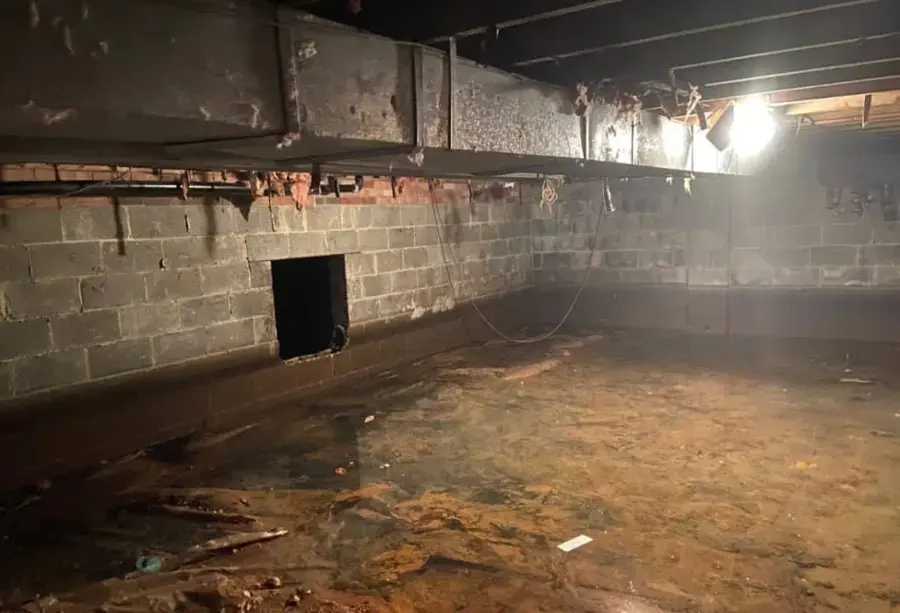
The subsoil across southeastern Mecklenburg County is dense Piedmont clay that drains slowly. When tropical storm remnants or a long summer thunderstorm drop several inches of rain, water runs off the yard, through foundation vents and low block courses, and ponds on the clay. Short downspouts and yards that slope toward the house make it worse.
- Ponded runoff after heavy rain, especially on lots near Four Mile Creek and its branches
- Leaking supply and drain lines under kitchens and bathrooms
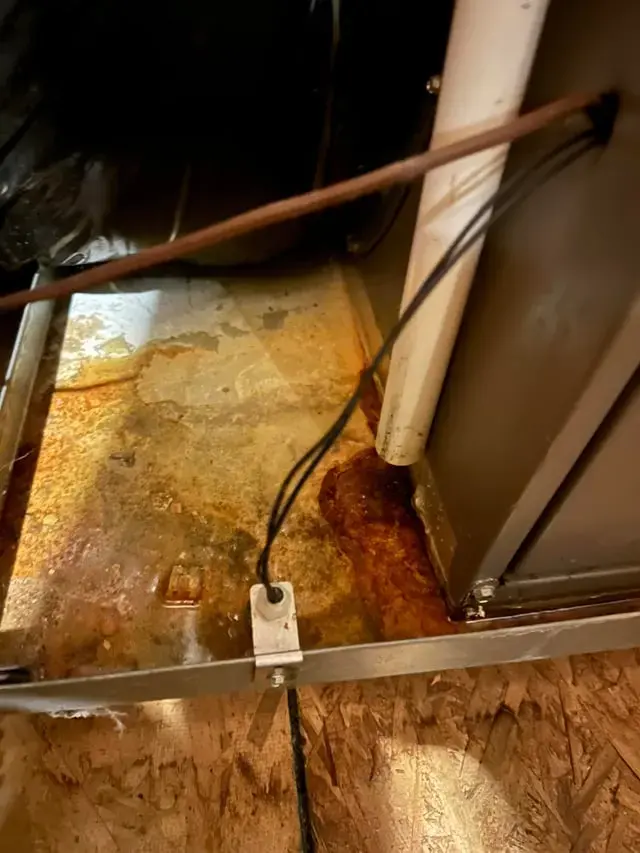
- Water heaters and air handlers set in the crawl space
- Condensation on ducts in humid July and August weather
How the crawl space is dried without tearing out the floor
The extraction crew pumps standing water off the vapor barrier or the soil. Soaked fiberglass insulation comes down, because it holds water against the joists and does not dry well in place. A torn or buried vapor barrier is pulled so the drying team can reach the ground. Then LGR dehumidifiers and air movers run along the joist bays, usually with the foundation vents closed so humid outside air stays out.
Keeping it from coming back
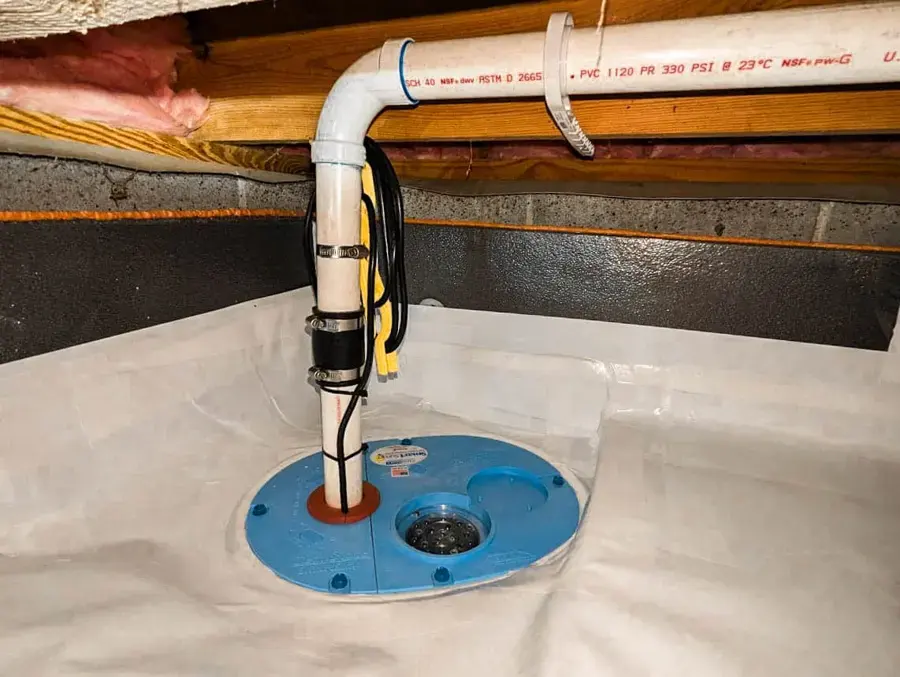
Once the framing reads dry, the causes are worth fixing: downspout extensions, regrading soil away from the foundation, a sealed or encapsulated crawl space and, where water keeps collecting, a crawl space sump pump. NC State Extension publishes homeowner material on moisture and crawl spaces at ces.ncsu.edu.