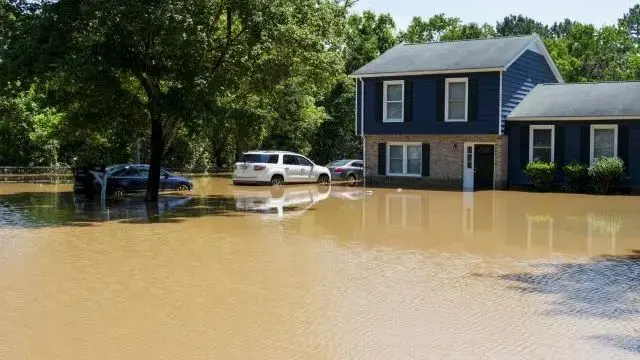
Matthews sits in the path of the remnants of tropical storms and hurricanes that cross the Carolina Piedmont late each summer. They rarely bring wind damage this far inland, but they can drop several inches of rain in a day on clay soil that absorbs little of it. Creeks leave their banks, storm drains back up and runoff finds every low vent and door threshold.
Why storm water is handled differently
Floodwater that crossed yards, streets and creek banks carries soil, fertilizer, fuel and sewage. The IICRC S500 standard classes it as Category 3 water, and that changes the job:
- Carpet, pad, insulation and drywall that floodwater touched are removed, not dried.
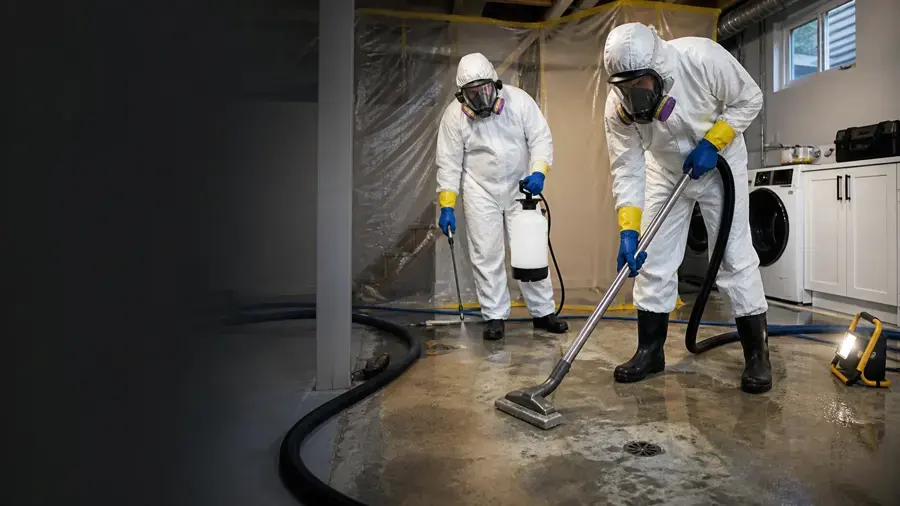
- Hard surfaces and framing are cleaned and treated with an EPA-registered antimicrobial.
- Containment and HEPA air scrubbers go up when contaminated material is being cut out.
- Crews wear gloves, boots and respiratory protection, and so should anyone else going in.
Crawl spaces take the first hit
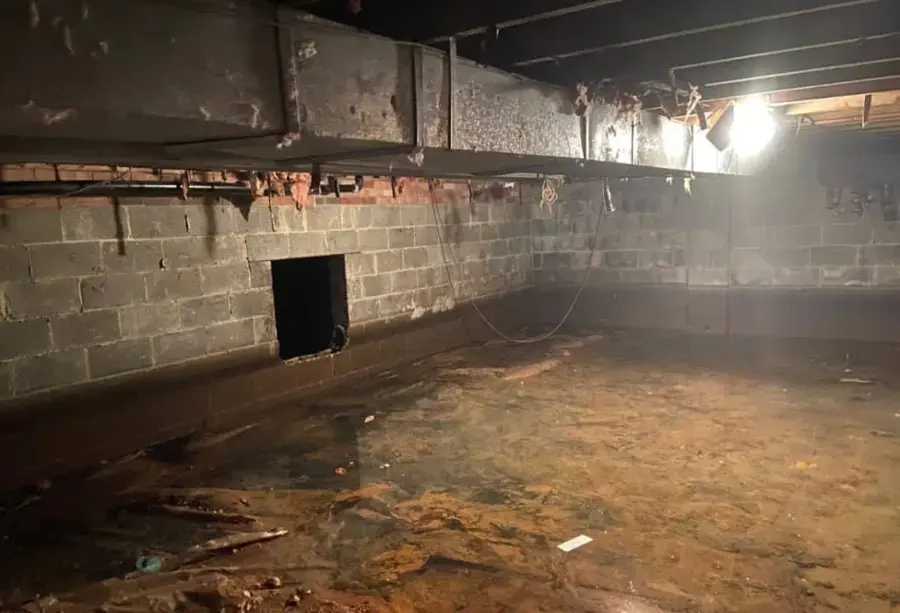
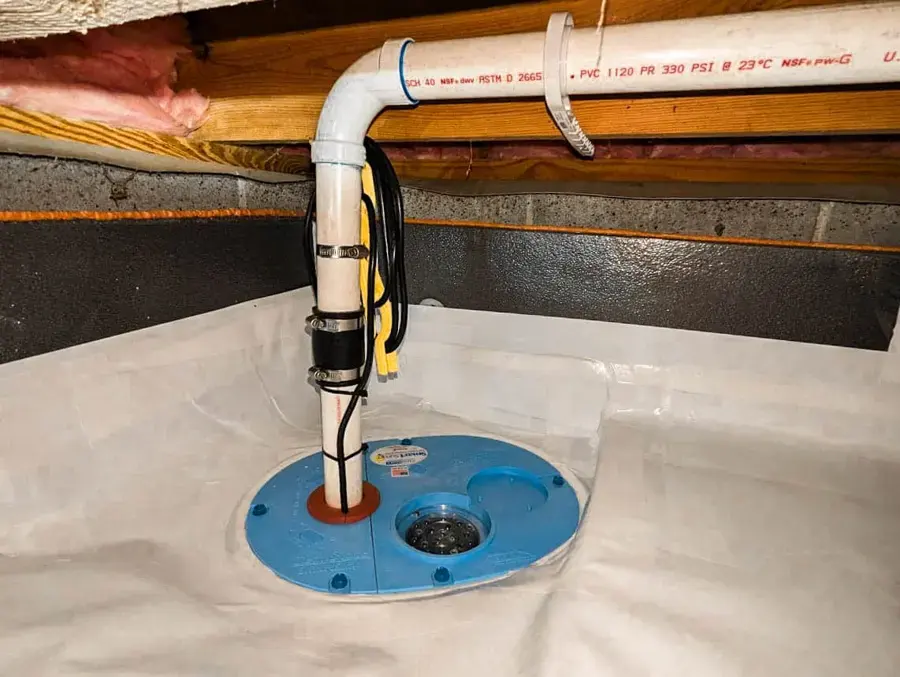
In most Matthews neighborhoods near the greenway, water reaches the crawl space long before it reaches the living floor. The extraction crew pumps it out, clears silt and debris, pulls wet insulation and vapor barrier, treats the soil and framing and then dries from below. See crawl space water damage for that process.
Flood coverage is its own question
Rising surface water is usually excluded from standard homeowners policies and covered only under a flood policy, often through the National Flood Insurance Program at FloodSmart.gov. A clean file helps either way: photos before removal, the moisture map, daily readings and the category and class of the loss. Coverage depends on your policy, so check with your own insurer.