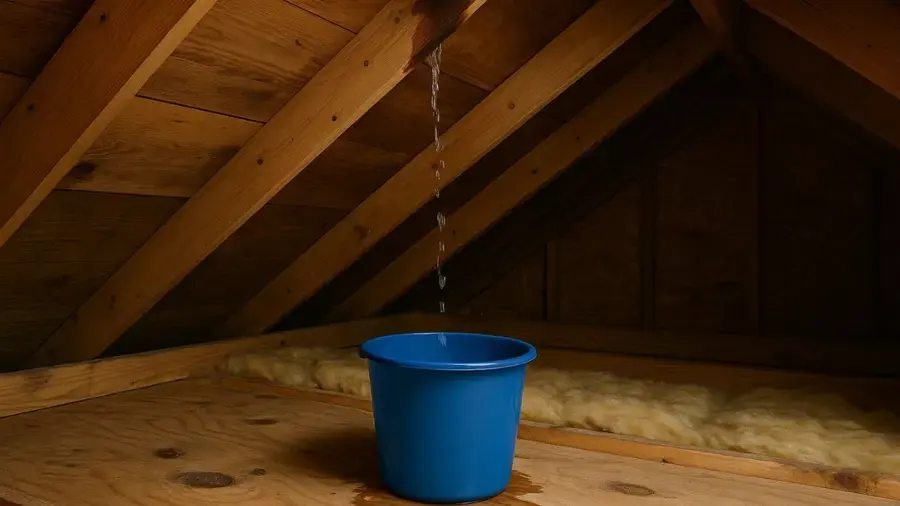
Many homes in Matthews and the newer subdivisions on the Stallings and Indian Trail side put the air handler in the attic or the crawl space. In July and August the coil sweats constantly, and that water has to leave the house through a small condensate drain. Algae, dust and insects clog that drain, the primary pan fills, and water spills over.
Signs of a condensate overflow
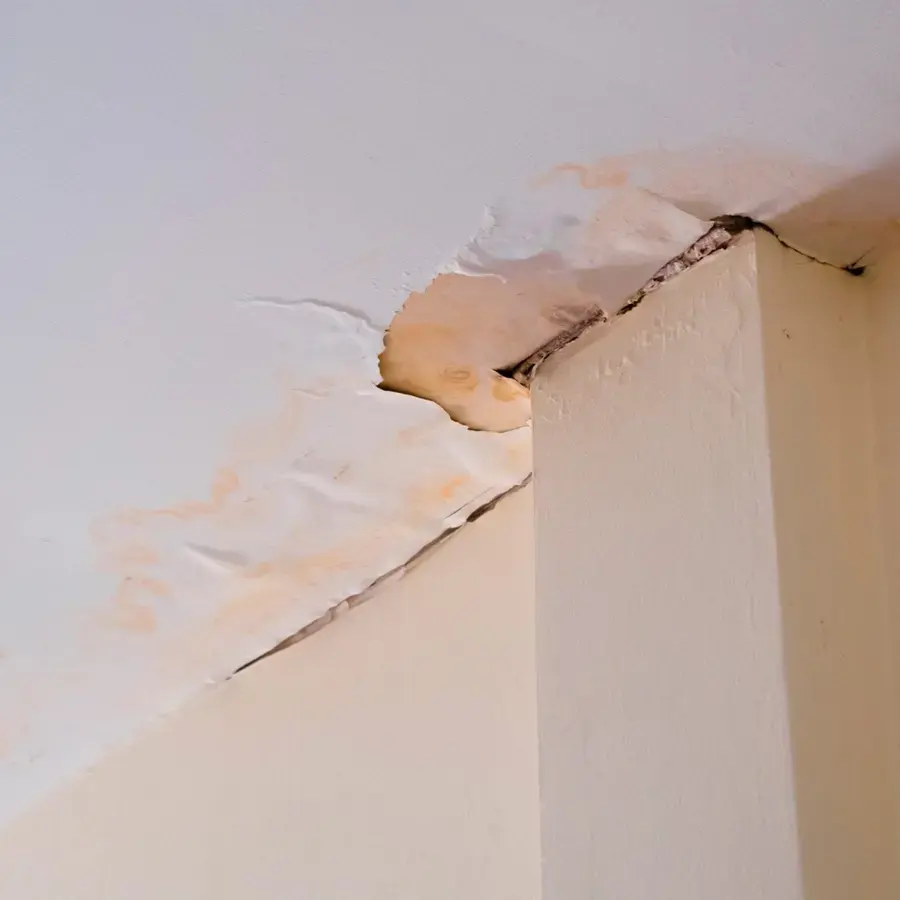
- A water stain on the ceiling under an attic air handler, often near a hallway or closet
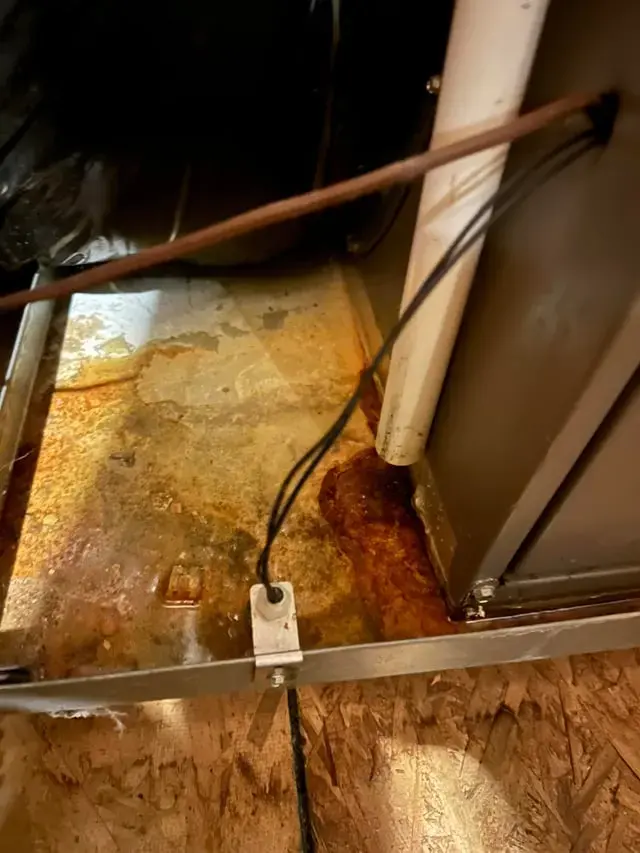
- Water in the secondary pan, or a float switch that keeps shutting the system off
- A musty smell and wet insulation around the unit
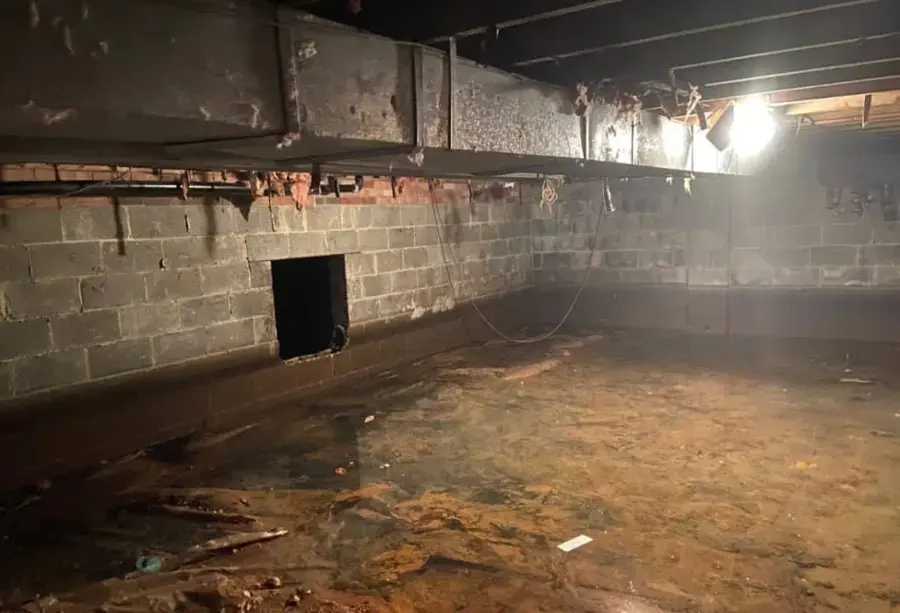
- Water on the vapor barrier under a crawl space unit, or sweating ducts dripping onto it
Why a small drip becomes a big job
Condensate overflows are slow and steady. By the time a ceiling stains, the insulation around the air handler has often been wet for days in a hot attic, which is ideal for mold growth inside 24 to 48 hours. The tech who does the walkthrough maps the attic floor, the ceiling below and the framing around the unit before anything is removed.
What the cleanup involves
An HVAC technician clears the drain and fixes or replaces the pan. The mitigation team removes soaked insulation and any ceiling drywall that sagged, and the drying team dries the attic framing or the crawl space with air movers and a dehumidifier, logging readings daily until the goal is met. Condensate is usually clean water, but water that sat in a dirty pan or on insulation for days is treated as Category 2.
For water that reached rooms below, see ceiling leak water damage.