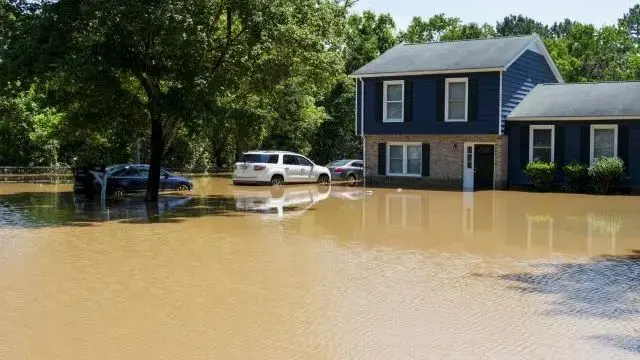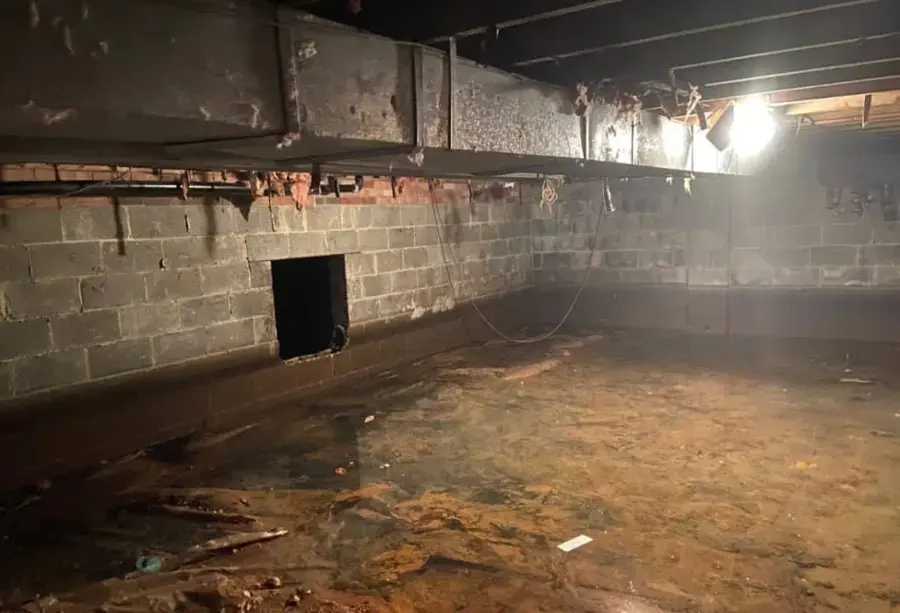
Sewage backups in Matthews usually start at the lowest drain in the house: a basement floor drain, a lower-level shower or a toilet on the ground floor. The cause is a blocked sewer lateral between the house and the main, tree roots in an older clay or cast iron line, grease buildup, or a municipal main that backs up during heavy rain.
Why sewage is handled differently
Sewage carries bacteria, viruses and parasites. Under the IICRC S500 standard it is Category 3 water from the first moment, and that sets the rules:
- Carpet, pad, insulation, upholstered items and drywall that sewage touched are removed, not dried.
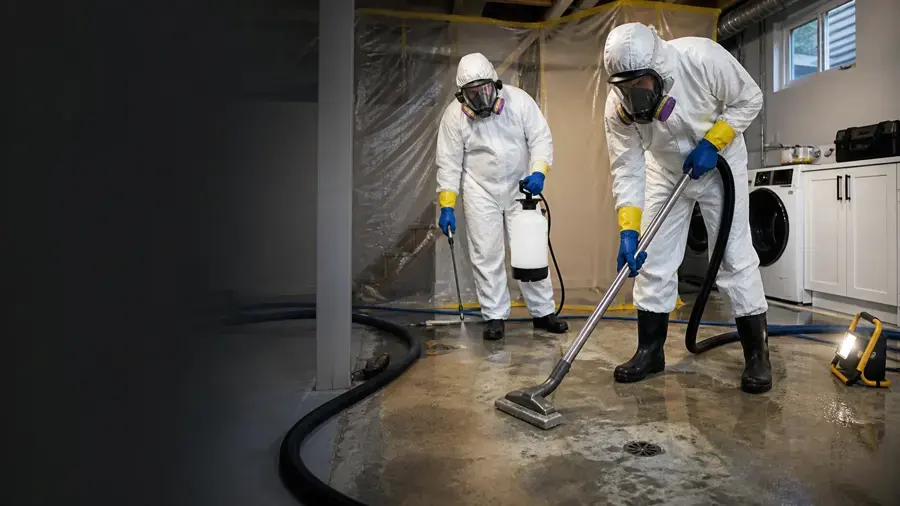
- The work area is sealed with containment, and HEPA air scrubbers run while materials come out.
- Hard surfaces and framing are cleaned and treated with an EPA-registered antimicrobial, applied at the label's dwell time.
- Crews wear gloves, boots, eye protection and respirators at minimum.
What to do before help arrives
Stop using water in the house: no flushing, no showers, no laundry, no dishwasher, because every drain adds to the backup. Keep children and pets away, and do not try to clean it up with household cleaners and a mop. If the sewer cleanout cap is accessible outside, a plumber can relieve the line there.
Cleanup, drying and the claim
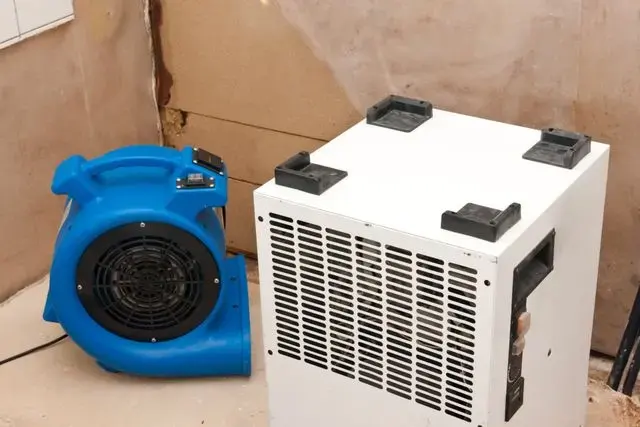
After removal and treatment, the drying team dries the remaining framing and subfloor and logs readings daily. The file includes photos before removal, the category of the loss and the list of removed materials. Many homeowners policies need a separate sewer or water backup endorsement, so coverage depends on your policy; check with your own insurer. For storm water that came in from outside, see creek and storm flood cleanup.